


Best Wood Preservers & Treatments for Log Cabins
Published: 18.09.2026 / Last updated: 18.09.2026
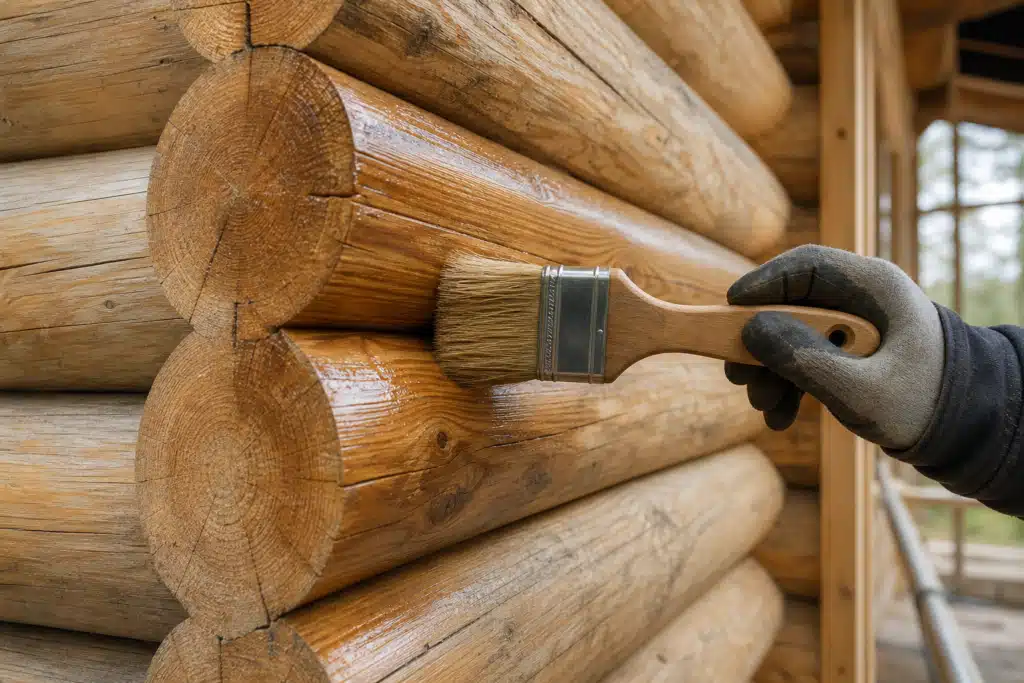
Protecting a log cabin requires choosing the right treatment products at the start. Untreated timber absorbs moisture, leading to insect attack, soft rot, surface mould, and structural warping over time. Because dense Nordic spruce arrives untreated from the factory, selecting a high-performing base preserver and finish coat is essential to keeping your building dry and sound.
Choosing between solvent-based preservers, water-based stains, and hard wax oils comes down to timber location, exposure level, and breathability.
Wood Preservers vs Wood Stains: Understanding the Difference
A common mistake when treating a new building is applying a decorative exterior stain directly onto raw wood without a base preserver. Complete timber protection requires a two-step system:
- Biocidal Wood Preservers (Base Coat): These are thin, deep-penetrating liquid formulas containing fungicides and insecticides. They sink deep into raw timber pores to stop fungal decay, blue stain, and wood-destroying insects from taking root inside the log.
- Protective Wood Stains or Finishes (Top Coat): Applied over the dried preserver, topcoats form a flexible, water-repellent, and UV-resistant skin on the exterior. They prevent moisture from soaking into the wall logs during prolonged rain while allowing internal timber moisture to escape.
Skipping the biocidal base coat leaves the core of the timber vulnerable to rot, even if the surface coat looks intact.
Best Types of Exterior Treatments for Log Cabins
When comparing exterior products, look for treatments specifically rated for Use Class 3 timber (exterior wood above ground, exposed to weather).
Solvent-Based Preservers
Solvent-based base coats penetrate deep into dense softwood logs, making them ideal for initial treatment during assembly. They dry relatively quickly and do not raise the grain of untreated Nordic spruce as much as water-based alternatives.
- Best used for: Initial base treatment on raw wall logs, tongue-and-groove joints, and end grain before applying a topcoat.
High-Solids Wood Stains
High-solids exterior stains combine elastic resin binders with UV-blocking pigments. These coatings move naturally with the timber as seasonal temperature and humidity changes cause logs to expand and contract.
- Semi-Transparent Stains: Retain the natural grain pattern of the spruce while offering strong water resistance and moderate UV shielding.
- Opaque Stains & Timber Paints: Provide the highest level of UV protection by blocking direct sunlight completely. They hold colour longer and require less frequent reapplication than clear finishes.
For larger builds and double-storey cabins with substantial wall height, choosing a long-lasting exterior stain minimizes future ladder work and recoating frequency.
Interior Wood Treatments & Floor Care
Interior walls and floorboards require a different approach. Because interior timber is shielded from outdoor rain, treatments focus on dirt resistance, stain defence, moisture balance, and indoor air quality.

Interior Wall Treatments
For interior log walls, choose low-VOC water-based lacquers, interior stains, or natural waxes. Dark exterior stains should be avoided inside to preserve natural daylight.
- Water-Based Polyurethane Clear Varnishes: Provide a durable, clear shield that prevents dust and finger marks from staining the wood while keeping the natural timber colour light.
- Interior Wood Waxes & Oils: Maintain the tactile feel of raw timber while offering subtle colour tints and breathable surface protection.
For detailed recommendations on selecting interior coatings for living spaces, consult our guide on interior wood treatment options.
Floorboard Protection
Floorboards experience direct foot traffic and localized moisture from footwear. Standard wall stains are not tough enough for floor surfaces.
- Hard Wax Oils: Penetrate deeply into 28 mm spruce floorboards to deliver tough surface resistance against spillages and scuffs without cracking or flaking.
- Damp Proof Membrane (DPM): Floor treatment starts underneath the building. Ensure a continuous DPM is installed beneath the floor joists to stop rising ground moisture before treating the floorboards.
For step-by-step guidance on sealing cabin floors, read our full article on treating your log cabin floor.
Application Guide: Treating Untreated Nordic Spruce
To ensure long-term performance, apply base treatments and finishes under correct environmental conditions.
- Optimal Application Temperature: 10–25°C
- Maximum Timber Moisture Content: Under 20%
- Base Coat Requirement: 1–2 coats of biocidal preserver
- Topcoat Requirement: 2–3 coats of elastic stain
Preparation
- Timing: Treat untreated wood as soon as possible after delivery. If building in dry weather, apply a biocidal preserver to log tongues, grooves, and end grain before slotting logs into place.
- Moisture Check: Ensure the timber moisture level is below 20%. Do not apply film-forming topcoats over wet timber, as trapped moisture will cause blistering and flaking.
- Cleaning & Sanding: Clean off surface dust or sap using a mild timber cleaner. Lightly sand smooth areas to open the grain structure for better absorption.
Application Steps
- First Coat: Apply a generous layer of biocidal preserver using a natural bristle brush, working with the direction of the wood grain. Pay special attention to corners, window surrounds, and exposed log end grains.
- Drying Time: Allow the base coat to dry fully (typically 24–48 hours, depending on product instructions).
- Topcoat Application: Apply two to three thin, even coats of your chosen exterior stain or paint. Avoid applying thick coats that can pool in log joints.
- Sealing End Grains: Ensure all end grains are heavily saturated with topcoat. End grain acts like a bundle of straws, drawing water into the log if not completely sealed.
For detailed advice on sealing external joints and doors, browse our complete log cabin treatment guide.
Special Considerations for Large Structures
Commercial buildings, multi-room structures, and residential annexes feature larger surface areas exposed to winds and rain. Choosing high-grade, microporous wood finishes prevents film peeling on high, south-facing walls exposed to direct sunlight.
Large footprint buildings benefit from routine structural checks alongside surface recoating. Read our practical advice on weatherproofing garden buildings to protect foundations, roof overhangs, and drainage systems from water wear.
Long-Term Maintenance Schedule
Routine visual checks make maintaining quality log cabins straightforward.
Seasonal Checks
- Spring Inspection: Wash down dirt, inspect south-facing walls for wear, check for flaking, and clear plant growth away from walls.
- Autumn Preparation: Clear roof debris, inspect door and window seals, touch up worn paint, and clear gutters.
Key Maintenance Guidelines
- Annual Splash Test: Flick water onto the exterior wall logs. If the water beads up and runs off, the finish is intact. If the water soaks into the timber and turns it dark, reapply your topcoat.
- Recoating Timelines: High-quality solvent or water-based stains generally require a fresh maintenance coat every 3–5 years for semi-transparent finishes, or 5–8 years for opaque timber paints.
- Mould Removal: If surface algae or grey mould spots appear in shady corners, scrub the area with a specialist fungicidal wash or a diluted bleach solution (1 part bleach to 4 parts water). Rinse thoroughly, allow to dry, and re-treat.
Selecting a quality biocidal preserver, pairing it with an elastic, breathable topcoat, and maintaining a regular inspection routine ensures your cabin remains dry, warm, and structurally sound for decades.

Transform your log home with 7 ceiling design ideas, including exposed vaulted beams, tongue-and-groove planking, whitewashed timber, and acoustic panels.

Discover 9 inspiring rustic cabin design ideas for small timber homes. Maximize your space, natural light, and style with practical layout solutions.

Discover 8 inspiring front porch decorating ideas for log cabins. Learn how to style your entrance with weather-resistant seating, lighting, rugs, and plants.

Discover 7 rustic log cabin fence ideas for Irish gardens, from post-and-rail to living willow. Learn about local Irish planning rules and timber care.
Want to discuss over phone. Let us call back to you
If you need any additional info regarding any product, please fill in the below form and we will get back to you, usually the same or next working day.
Have any questions regarding some product?
If you need any additional info regarding any product, please send us your questions.